Beyond the Takeout Carton: Discovering True Sichuan Kung Pao Chicken
For many across the globe, kung pao chicken conjures images of glossy, saucy chicken stir-fries brimming with peanuts and a mild, sweet-and-sour kick. It's a beloved staple of Chinese takeout menus, a dish that has undeniably captured hearts and palates. Yet, if your experience with kung pao chicken is limited to these familiar renditions, you've only scratched the surface of a far richer, more nuanced culinary masterpiece rooted deep in the culinary traditions of China's Sichuan province.
The authentic Sichuan kung pao chicken is a revelation – a symphony of complex flavors where "less sauce" isn't a deficiency but a deliberate choice, allowing intense, perfectly balanced notes of sweet, sour, savory, and the iconic "numbing heat" to shine through. It's an explosion of big, bold flavors, designed not to be drowned, but to coat each morsel with exhilarating intensity. This article invites you on a journey to uncover the true nature of this classic, exploring its defining characteristics and offering insights into how you can recreate its magic at home.
The Authentic Signature: A Dry Stir-Fry with Purposefully Less Sauce
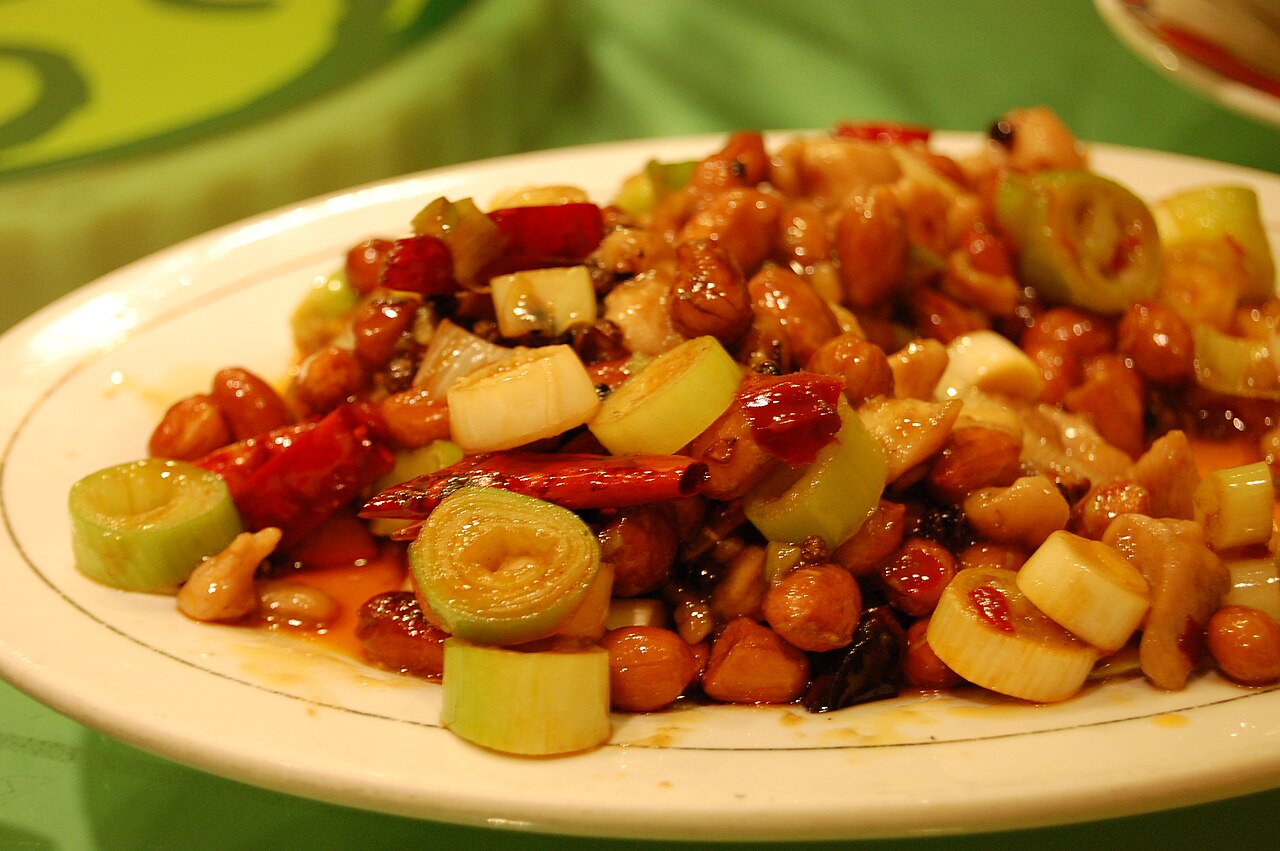
Perhaps the most striking difference between the authentic Sichuan kung pao chicken and its Westernized counterparts lies in its sauce-to-ingredient ratio. While many popular Asian stir-fries are characterized by chicken (or other proteins) swimming in a generous, often thick, gravy-like sauce, traditional Kung Pao is a "dry stir-fry." This doesn't mean it's devoid of sauce; rather, the sauce is highly concentrated, clinging intimately to the chicken and vegetables without pooling at the bottom of the plate.
This deliberate approach to sauce quantity is crucial for understanding its authenticity. The traditional Kung Pao sauce is incredibly potent, a marvel of balancing sweet, sour, savory, and the unmistakable numbing tingle of Sichuan pepper. Because each drop delivers such a powerful punch of flavor, an abundance of sauce simply isn't necessary. A thin, glossy coating is all that's required to deliver an explosive taste experience with every bite. When served with plain white rice, just a small amount of this intensely flavored sauce is enough to elevate the entire meal, transforming the simple rice into a canvas for its complexity.
This "less sauce" philosophy underscores a fundamental principle of authentic Sichuan cooking: every ingredient and technique serves a purpose in achieving a harmonious yet dynamic flavor profile. It's about precision and impact, not volume. The texture, the gloss, the way the flavors meld without being diluted – these are hallmarks of a truly traditional rendition.
The Pillars of Flavor: Essential Ingredients That Define Kung Pao
To truly understand and replicate authentic kung pao chicken, one must delve into its core ingredients, each playing a vital role in constructing its legendary flavor profile. While many components are standard Asian pantry staples, a few stand out as non-negotiable for achieving that genuine Sichuan taste.
Sichuan Pepper: The Numbing Heart of Kung Pao
If there's one ingredient that elevates kung pao chicken from a mere spicy stir-fry to a distinct Sichuan masterpiece, it's the Sichuan pepper. This isn't your typical hot chili spice. Instead, Sichuan pepper (also known as flower pepper or prickly ash) delivers a unique "ma la" sensation – a tingling, numbing, almost effervescent feeling on the tongue, often accompanied by subtle citrusy, almost lemony notes. It's a fascinating counterpoint to the heat of dried chilies, creating a multi-dimensional spiciness that is both addictive and unique.
For home cooks, Sichuan pepper is available whole or pre-ground. While grinding your own can offer a fresher aroma, pre-ground varieties are convenient and often more finely milled, avoiding any gritty bits. If you're new to the sensation, start with a moderate amount and adjust to your preference. There's truly no perfect substitute for its distinctive numbing quality, though white pepper can offer a milder, peppery warmth if Sichuan pepper is absolutely unavailable.
Dried Chilies: Beyond Just Heat
Dried chilies in kung pao chicken are about more than just raw heat; they impart a crucial smoky, fruity depth to the overall flavor. Often, the stems are removed, and for those sensitive to spice, the seeds – where most of the heat resides – can also be discarded. Different types of dried chilies will offer varying levels of heat and flavor, so tasting a small piece can help you gauge their potency.
Even if you prefer a milder dish, it's highly recommended not to skip the dried chilies entirely. Their presence during the cooking process infuses the oil with an aromatic complexity that is integral to the dish's character. You can always use them to flavor the oil and then remove them before serving if you wish to avoid consuming them directly.
Chinese Vinegar and Cooking Wine
The balance of sweet and sour is another hallmark of authentic Kung Pao. Chinese black vinegar, with its rich, slightly smoky, and deeply aromatic profile, is preferred over lighter vinegars. It provides a more robust sour note that complements the other strong flavors. Similarly, Chinese cooking wine (often Shaoxing wine) is indispensable for its unique fragrance and ability to tenderize chicken and add depth to the sauce. While substitutes exist, using the authentic ingredients will always yield the best results.
Mastering the Technique: Velveting and Wok Craft
Achieving the tender, succulent chicken characteristic of great kung pao chicken involves a technique often employed in Chinese restaurants: velveting. This simple process, typically involving a marinade of baking soda (bicarbonate of soda), soy sauce, and cornstarch, dramatically tenderizes chicken breast, making it incredibly moist and silky smooth even after high-heat stir-frying. While chicken thigh is naturally juicier and often preferred for its robust flavor and texture, velveting allows chicken breast to achieve a comparable tenderness.
The stir-fry itself demands high heat and quick execution. A well-seasoned wok is ideal, ensuring even cooking and that coveted "wok hei" – the breath of the wok, a smoky, charred aroma that signifies expertly cooked stir-fries. The key is to work quickly, adding ingredients in stages to prevent overcrowding the wok and ensuring everything cooks evenly without steaming. This rapid cooking preserves the crispness of peanuts and the vibrant colors of any added vegetables, while allowing the intense sauce to perfectly coat each component.
For a detailed, step-by-step guide to mastering this dish in your own kitchen, including tips on velveting and stir-frying techniques, check out our comprehensive article: Easy Homemade Kung Pao Chicken: Better Than Takeout in 10 Mins.
The True Kung Pao Experience: A Symphony of Sensation
When all these elements come together, the true kung pao chicken offers an unparalleled culinary experience. It's a dish that engages multiple senses: the visual appeal of glistening chicken and vibrant chilies, the fragrant aroma of ginger, garlic, and Sichuan pepper, and of course, the extraordinary taste and sensation. You'll first encounter the savory sweetness, followed by a delicate sour tang, then the unmistakable, electrifying buzz of the Sichuan pepper, interwoven with the lingering warmth from the dried chilies.
This complexity is precisely why authentic Kung Pao is intentionally less saucy. The sauce isn't meant to overpower; it's a vehicle for delivering a powerful, balanced, and unforgettable flavor journey. Each mouthful is an adventure, a dynamic interplay of tastes and textures – the tender chicken, the crunchy peanuts, the occasional burst of heat from a chili, and the persistent, delightful tingle that leaves you craving just one more bite.
By understanding and embracing these authentic principles – from the unique ingredients to the specific cooking techniques and the philosophy behind "less sauce" – you can unlock the true magic of Sichuan kung pao chicken in your own home, transforming a familiar takeout favorite into an extraordinary culinary revelation.
