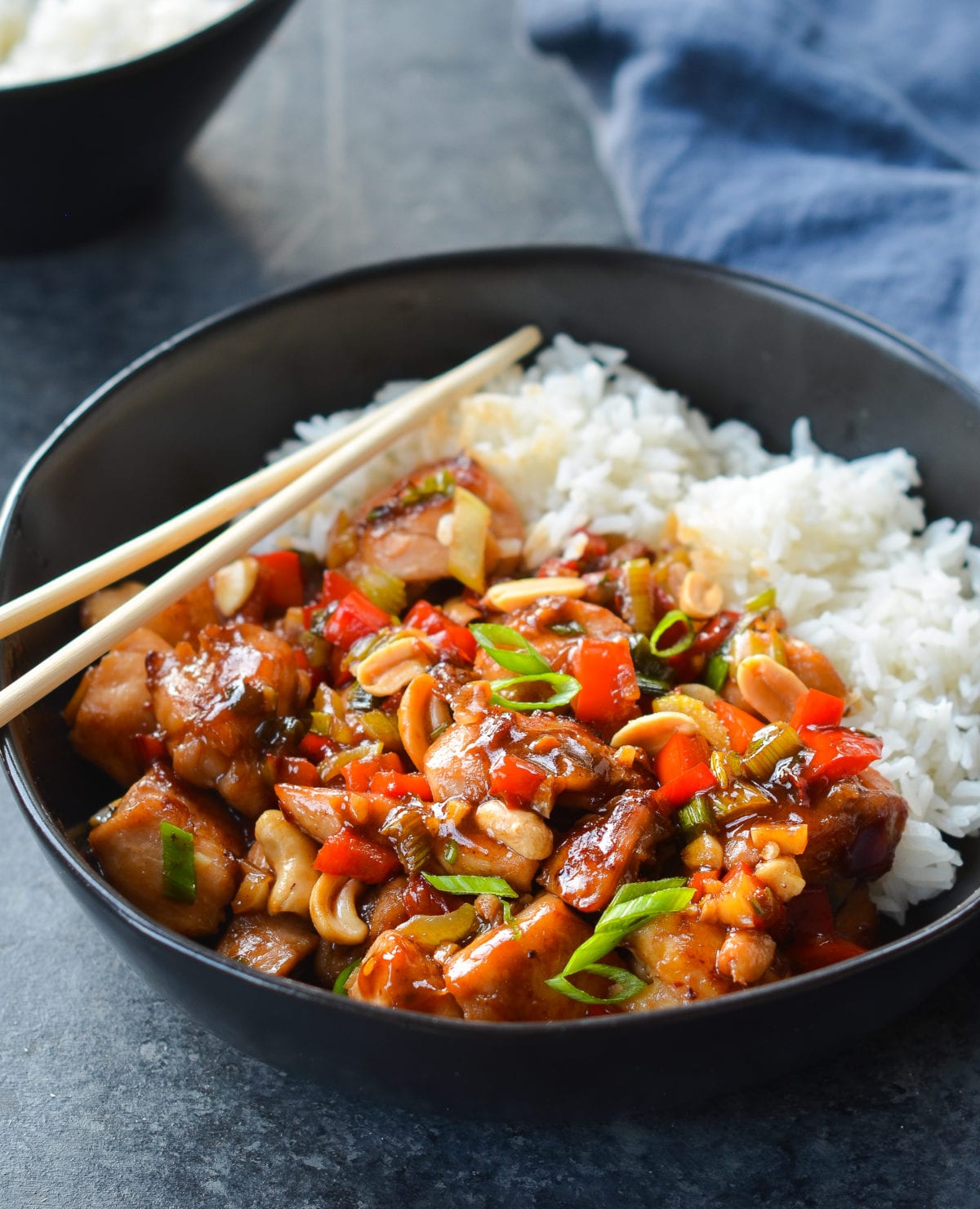
Kung Pao Chicken: Unpacking the Sweet, Sour & Numbing Sichuan Heat
Few dishes ignite the senses quite like Kung Pao Chicken. A beloved cornerstone of Chinese cuisine, this iconic stir-fry transcends mere sustenance, offering an exhilarating journey through a spectrum of flavors that tantalize and captivate. From its humble origins in Sichuan to its ubiquitous presence on menus worldwide, Kung Pao Chicken is more than just a meal; it's an experience defined by its unique balance of sweet, sour, savory, and, most famously, its addictive numbing heat.
What makes this dish so utterly irresistible? It’s an explosion of big, bold flavors perfectly orchestrated to create a highly addictive, mouthwatering sensation that keeps diners coming back for more. While often enjoyed as a takeout favorite, the good news is that recreating its magic at home is surprisingly straightforward, allowing you to indulge your cravings without needing to order out every time.
The Allure of Kung Pao Chicken: A Symphony of Flavors
At the heart of Kung Pao Chicken's immense popularity lies its distinctive flavor profile. It's a masterful blend that excites every part of the palate, moving beyond simple spiciness to something far more intricate. Imagine a sauce that is:
*
Sweet: Often derived from sugar or a touch of honey, providing a delightful counterpoint.
*
Sour: Typically brought by Chinese vinegar, adding a bright, tangy edge that cuts through richness.
*
Savory: Anchored by soy sauce and other umami-rich components, forming the backbone of the flavor.
*
Numbing Heat (Mala): The true signature of Kung Pao, delivered by the enigmatic Sichuan peppercorns, creating a tingling, buzzing sensation on the tongue that is utterly unique and highly addictive.
This complex interplay of tastes makes each bite an adventure. It's a dish that commands attention, its robust flavors lingering pleasantly, inviting another taste, and then another. The glossy, intensely flavored sauce, even in smaller quantities, goes a long way when mixed with rice, ensuring every morsel is coated in its irresistible essence.
Tracing Its Roots: Authentic Sichuan vs. Western Adaptation
To truly appreciate Kung Pao Chicken, one must understand its rich history and the variations it has undergone. The dish, as we know it, originated in the vibrant culinary landscape of China’s Sichuan province. It is traditionally named after Ding Baozhen, a Qing Dynasty official who served as governor of Sichuan, highlighting its esteemed heritage.
However, the Kung Pao Chicken commonly found outside of China, particularly in Western restaurants like your local Chinese takeaway or even fast-food chains like Panda Express, is often a slightly adapted version of the authentic Sichuan dish. The most significant difference lies in the sauce. Traditionally in China, Kung Pao Chicken is considered a "dry stir-fry." This means that, unlike many other Asian stir-fries that might be "swimming in loads of sauce," the authentic version features a highly concentrated, intensely flavored sauce that coats the ingredients rather than pools around them.
The Westernized rendition, conversely, tends to be saucier, often appealing to a broader palate that expects more liquid with their stir-fry. While both versions are delicious, experiencing the traditional dry stir-fry offers a deeper insight into the dish's original intent, where the potency of the sauce speaks volumes without needing excessive volume. For a deeper dive into this distinction and how to achieve it, explore
The True Kung Pao: Uncovering Authentic Sichuan Style & Less Sauce.
Decoding the Core Ingredients: What Makes Kung Pao Truly Kung Pao
The magic of Kung Pao Chicken lies in a few critical ingredients, each playing a vital role in crafting its iconic taste and texture. Most are mainstream Asian cooking staples, but a few warrant special attention for their unique contributions.
The Enigmatic Sichuan Pepper (Hua Jiao)
This is arguably *the* defining ingredient that elevates Kung Pao from a delicious stir-fry to *Kung Pao Chicken*. Sichuan pepper isn't spicy in the fiery sense like chili peppers; instead, it delivers a unique "numbing" sensation, known as *mala* in Chinese, a term that combines "ma" (numbing) and "la" (spicy). Described as lemony with an addictive tingling, buzzing sensation on the tongue, Sichuan pepper introduces an electrifying dimension that is both startling and incredibly satisfying.
For home cooks, Sichuan pepper is available whole or pre-ground. While whole peppercorns offer a slightly more nuanced flavor, finely pre-ground versions provide convenience and avoid the gritty texture that can sometimes result from home grinding. If truly unavailable, white pepper can offer a distant, albeit much milder, substitute for a hint of pungency, but it won't replicate the signature numbing sensation.
Dried Chilies: Flavor Beyond Heat
Dried red chilies are indispensable for adding depth and a warm, aromatic spiciness to Kung Pao Chicken. It's important to remember that not all dried chilies are created equal; their heat levels can vary significantly even within the same type. The majority of the heat resides in the seeds, which are often removed or discarded if a milder flavor is desired.
Even if you're sensitive to heat, don't skip the dried chilies entirely. They infuse the cooking oil with a crucial smoky, fruity aroma that is integral to the dish's overall profile. You can simply use them for flavor infusion during cooking and then remove them before serving if you prefer to avoid eating them.
The Chicken and Its Prep
While chicken breast can certainly be used, many chefs and home cooks prefer chicken thigh for its inherent juiciness and tenderness, which stands up well to the high heat of stir-frying. If opting for chicken breast, a common Chinese restaurant technique called "velveting" is highly recommended. This simple process, often involving a marinade with baking soda (bi-carb) and cornstarch, tenderizes the meat, resulting in incredibly silky, succulent pieces that rival any takeout experience.
The Perfectly Balanced Sauce
The glossy, intensely flavored Kung Pao sauce is what ties everything together. While it uses less volume than many other stir-fries, its concentrated power means a little goes a long way. Key components typically include:
*
Soy Sauce: For savory depth.
*
Chinese Vinegar: For that essential tang.
*
Sugar: To balance the sour and spicy notes.
*
Chinese Cooking Wine (Shaoxing Wine): Adds complexity and aroma.
*
Cornstarch/Cornflour: To thicken the sauce, giving it its characteristic glossy sheen.
Combined with the Sichuan pepper and dried chilies, this sauce is often cooked with peanuts, which add a delightful crunch and nutty counterpoint to the vibrant flavors, and sometimes other vegetables like bell peppers or zucchini for added texture and nutrition.
Mastering Kung Pao at Home: Tips for Takeout-Quality Results
Making Kung Pao Chicken at home isn't just about following a recipe; it's about understanding the nuances that elevate it from good to truly exceptional. With a few practical tips, you can achieve that mouthwatering, addictive quality usually reserved for your favorite takeout joint.
1.
Quality Ingredients Are Key: Start with fresh chicken, good quality soy sauce, and crucially, fresh Sichuan peppercorns and dried chilies. Their potency diminishes over time.
2.
Prep Everything First (Mise en Place): Stir-frying is a rapid process. Have all your ingredients chopped, sauces mixed, and chicken marinated *before* you even turn on the heat. This ensures a smooth, stress-free cooking experience.
3.
High Heat, Quick Cook: Authentic Kung Pao is cooked in a hot wok or large skillet over high heat. This creates that characteristic "wok hei" (breath of the wok), a smoky, caramelized flavor. Don't overcrowd the pan, as this lowers the temperature and steams the chicken instead of searing it. Cook in batches if necessary.
4.
Master the Velvet: If using chicken breast, don't skip the velveting step. It's incredibly simple and makes an enormous difference to the texture, ensuring tender, juicy chicken every time.
5.
Balance the Flavors: Taste your sauce before adding it to the pan. Adjust the sweetness, sourness, or spiciness to your preference. Remember, the sauce is intense, so it needs to be perfectly balanced.
The beauty of Kung Pao Chicken lies not only in its sensational taste but also in its accessibility. It's a remarkably quick and easy dish to prepare, often coming together in under 30 minutes, making it a perfect weeknight meal. For a detailed guide on how to whip up this masterpiece in record time, check out our
Easy Homemade Kung Pao Chicken: Better Than Takeout in 10 Mins.
In essence, Kung Pao Chicken is a celebration of contrasting elements that unite in perfect harmony. Its sweet, sour, savory, and numbing profile makes it a standout dish that continues to captivate food lovers across the globe. Whether you prefer the saucier Western adaptation or the drier, more intense authentic Sichuan version, embracing the unique qualities of its core ingredients will allow you to unlock the true potential of this culinary icon right in your own kitchen.