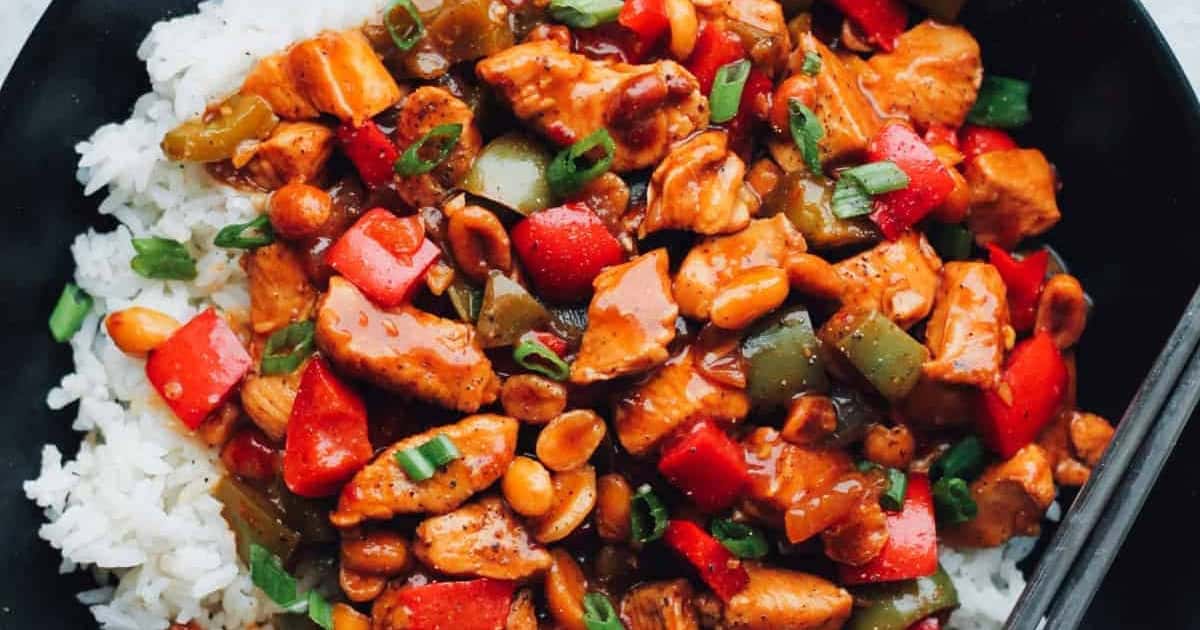
Easy Homemade Kung Pao Chicken: Better Than Takeout in 10 Mins
Imagine a dish that’s an explosion of sweet, sour, savory, and tantalizingly spicy flavors, all delivered with an addictive numbing tingle that leaves you craving more. Now, imagine whipping up this culinary masterpiece, a true Chinese takeout favorite, in your own kitchen in under 10 minutes. Sounds too good to be true? Not when it comes to homemade
Kung Pao Chicken!
This iconic stir-fry, a staple in Chinese restaurants worldwide, is renowned for its bold character and the unique sensation of Sichuan pepper. While many of us rely on delivery for our Kung Pao fix, we’re here to tell you that mastering this dish at home is not only incredibly easy and fast but also yields a far superior result. Forget greasy, lukewarm takeout; prepare for a vibrant, fresh, and deeply satisfying meal that will become your new go-to.
Why Homemade Kung Pao Chicken Beats Takeout (and is Faster!)
Let's face it: takeout is convenient, but it often comes with compromises. When you prepare
Kung Pao Chicken at home, you’re in control of every single ingredient, from the quality of the chicken to the freshness of the spices. This means:
*
Superior Freshness: No more soggy vegetables or mystery meat. Your chicken will be perfectly tender, your peanuts delightfully crunchy, and your sauce gleaming with vitality.
*
Customizable Flavor: Love more heat? Dial up the chilies. Prefer a stronger sour note? Adjust the vinegar. Homemade allows you to tailor the dish to your exact palate, something impossible with standard takeout.
*
Healthier Choices: You can use less oil, choose leaner cuts of chicken, and avoid unnecessary additives often found in commercially prepared sauces.
*
Unbeatable Speed: The "10 minutes" isn't a marketing gimmick; it's the reality of a well-executed stir-fry. Once your ingredients are prepped (the "mise en place" is key!), the actual cooking time for Kung Pao Chicken is incredibly fast, often quicker than waiting for a delivery driver. High heat, quick action – that's the secret to wok-fried perfection.
Homemade
Kung Pao Chicken isn't just a meal; it's an experience that proves convenience doesn't have to sacrifice quality or flavor.
The Signature Flavors of Authentic Kung Pao
What truly sets
Kung Pao Chicken apart is its complex and utterly unique flavor profile. It's a symphony of tastes that dance on your tongue:
*
Sweet: A touch of sugar balances the other intense flavors, providing a comforting base.
*
Sour: Chinese black vinegar (or similar rice vinegar) contributes a distinct tang that cuts through the richness.
*
Savory: Soy sauce and sometimes a hint of fermented bean paste (though less common in Westernized versions) create a deep, umami-rich foundation.
*
Numbing Heat: This is the secret weapon – Sichuan pepper. Unlike the pure "hot" spice of chili peppers, Sichuan pepper creates a unique, almost effervescent tingling and numbing sensation on the lips and tongue, known as "málà." This sensation is what defines authentic Kung Pao.
While many popular versions of
Kung Pao Chicken outside of China feature a generous amount of glossy sauce, traditionally, in its birthplace of Sichuan province, it’s considered a "dry stir-fry." This means the sauce, though intensely flavored, coats the ingredients rather than pools around them. This distinction highlights the power of a concentrated sauce, where a little goes a long way, especially when mixed with steamed rice. To delve deeper into this fascinating culinary nuance, explore
The True Kung Pao: Uncovering Authentic Sichuan Style & Less Sauce. The sauce itself is often thickened slightly with cornstarch, giving it a beautiful sheen and ensuring it clings perfectly to every piece of chicken and peanut.
Essential Ingredients for Your Best Kung Pao Chicken
To achieve that authentic, mouthwatering
Kung Pao Chicken experience, understanding and sourcing a few key ingredients is crucial. Don't worry, most are readily available in Asian grocery stores or even well-stocked supermarkets.
The Chicken
While chicken breast is often used for its lean profile, chicken thigh is highly recommended for its juiciness and flavor. It holds up better to high-heat stir-frying without drying out. If you opt for chicken breast, a common Chinese restaurant technique called "velveting" can transform it into incredibly tender pieces. This involves marinating diced chicken in a mixture of baking soda (bicarbonate of soda), soy sauce, cornstarch, and sometimes egg white before cooking. A quick 15-20 minute soak makes all the difference!
Sichuan Pepper
This is non-negotiable for true
Kung Pao Chicken. Sichuan pepper (also known as flower pepper or hua jiao) provides that distinctive "málà" (numbing and tingling) sensation. Its flavor is unique – a bit citrusy, almost lemony, with a cooling after-effect, entirely different from the straightforward heat of chili peppers. You can find it whole (which some purists prefer for a fresher, more intense flavor, though it might leave gritty bits if ground roughly) or pre-ground for convenience. If you absolutely cannot find Sichuan pepper, a blend of white pepper and a tiny pinch of lemon zest can offer a distant echo, but it won't be the same. For a comprehensive look at this and other flavor components, check out
Kung Pao Chicken: Unpacking the Sweet, Sour & Numbing Sichuan Heat.
Dried Chilies
These aren't just for heat; they impart a wonderful smoky, fruity flavor to the dish. Small, thin dried red chilies (like Tianjin or Sichuan varieties) are ideal. Remember that the spiciness can vary greatly between batches and types. Most of the intense heat resides in the seeds, so for less spice, you can de-seed them. Don't skip them entirely, even if you're sensitive to heat; their flavor contribution is essential. A common technique is to stir-fry them briefly at the beginning to infuse the oil with their essence, then remove them before serving if you prefer not to eat them.
The Sauce Base
Beyond the iconic numbing heat, the sauce for
Kung Pao Chicken relies on a balanced blend of:
*
Soy Sauce: Light soy sauce for saltiness and umami.
*
Chinese Cooking Wine (Shaoxing Wine): Adds depth and aromatic complexity. Dry sherry or even dry white wine can be a substitute if needed.
*
Chinese Vinegar: Black vinegar (Chinkiang or Zhenjiang) offers a deeper, maltier sourness than plain rice vinegar, but rice vinegar works well too.
*
Sugar: To balance the sour and savory notes.
*
Cornstarch/Cornflour: For thickening the sauce and giving it that signature glossy finish.
Other Key Additions
*
Peanuts: Roasted, unsalted peanuts are essential for texture and nutty flavor. They add a satisfying crunch against the tender chicken.
*
Garlic and Ginger: Aromatic foundations for almost any Chinese stir-fry.
*
Spring Onions (Scallions): For freshness and a mild oniony bite, added towards the end.
*
Vegetables (Optional): While traditional Kung Pao is often just chicken, peanuts, and chilies, many Western versions include diced bell peppers (red and green for color) or zucchini for added texture and nutrients. Keep them minimal to let the core flavors shine.
Mastering the 10-Minute Kung Pao Chicken Stir-Fry
The secret to a truly quick and delicious
Kung Pao Chicken lies not in the cooking itself, but in the preparation. This is where the magic of the "10-minute" promise comes alive.
1.
Mise en Place is Your Best Friend: Before you even think about turning on the heat, have *everything* prepped. This means:
* Chicken diced and marinated.
* Sauce ingredients whisked together in a bowl.
* Garlic and ginger minced.
* Chilies snipped.
* Sichuan peppercorns (if whole) ready, or ground pepper measured.
* Peanuts and any optional vegetables ready to go.
* Your serving bowls and rice prepared.
2.
Heat is Key: Use a wok or a large, heavy-bottomed skillet over high heat. The goal is to cook quickly, caramelizing the chicken and ensuring vegetables stay crisp-tender. Allow your wok to get smoking hot before adding oil.
3.
Infuse the Oil: Start by briefly stir-frying the dried chilies and Sichuan peppercorns in the hot oil. This infuses the oil with their aromatic and numbing qualities. Be careful not to burn the chilies, as they will become bitter.
4.
Sear the Chicken: Add the marinated chicken in a single layer and sear it quickly until browned and cooked through. Avoid overcrowding the pan, which can steam the chicken instead of searing it. Work in batches if necessary.
5.
Build the Aromatics: Push the chicken to one side, add the minced garlic and ginger, and stir-fry for about 30 seconds until fragrant.
6.
Add the Sauce: Give your pre-mixed sauce a quick whisk (cornstarch can settle) and pour it over the chicken and aromatics. Stir constantly as it thickens, which will happen almost instantly thanks to the cornstarch.
7.
Toss and Serve: Stir in the peanuts and spring onions (and any quick-cooking vegetables if using). Toss everything to coat evenly, and remove from heat immediately.
Serve your magnificent homemade
Kung Pao Chicken hot over steamed white or brown rice for a truly satisfying and unbelievably quick meal.
Conclusion
There's a special kind of satisfaction that comes from recreating a beloved takeout dish at home, especially when it turns out even better than the restaurant version. Our easy homemade
Kung Pao Chicken offers that satisfaction in spades, proving that big, bold, and complex flavors don't require hours in the kitchen. With its addictive sweet-sour-salty profile and that signature numbing tingle of Sichuan pepper, this dish is a culinary adventure waiting to happen. So, next time a craving hits, skip the delivery app. Grab your wok, gather your ingredients, and in less than 10 minutes, treat yourself to a fresh, vibrant, and utterly delicious Kung Pao Chicken that's truly better than takeout.